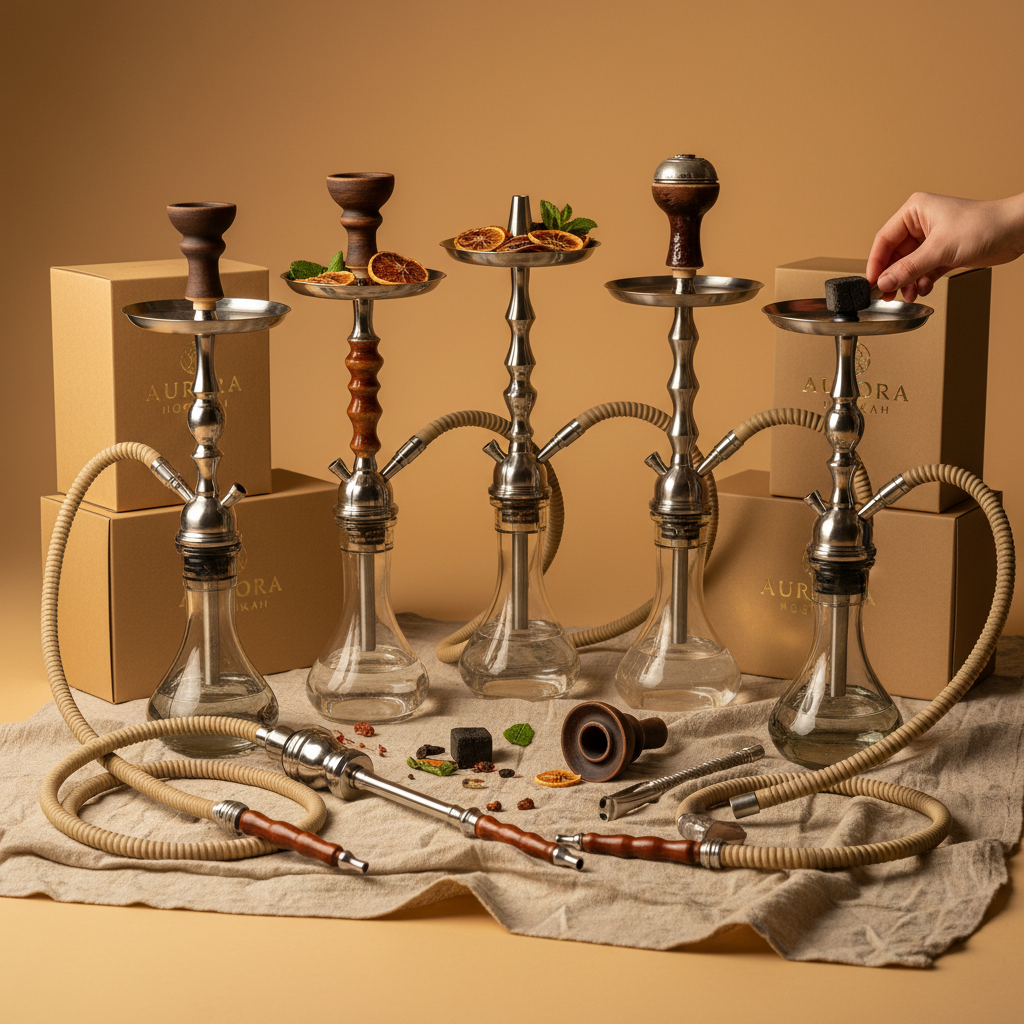
Selecting a custom bong often involves a complex balance between aesthetic desire and functional precision. For B2B buyers and high-end dispensaries, the shift from generic mass-production to bespoke glass craftsmanship is not merely a trend but a strategic move to differentiate brand identity and improve user experience.
The challenge lies in the intersection of material science and artistic design. Achieving a piece that is both visually striking and structurally sound requires an intimate understanding of borosilicate glass properties and high-temperature processing techniques.
This guide explores the technical nuances of bespoke glass manufacturing, providing a framework for evaluating quality, durability, and design feasibility for those seeking professional-grade glass solutions.

Defining Precision in Bespoke Glass Manufacturing

A custom bong is more than a modified pipe; it is an engineered instrument where airflow, thermal resistance, and structural integrity must align. In the realm of high-end glass production, "customization" refers to the ability to manipulate glass dimensions and internal geometries to achieve specific filtration and cooling effects.
The process begins with the selection of high-purity borosilicate glass, which allows for significant thermal expansion and contraction without fracturing. Utilizing automatic glass lathe equipment ensures that the symmetry and wall thickness remain consistent, which is critical for the stability of the piece during high-temperature usage.
For professionals in the cannabis and medical sectors, the value of bespoke manufacturing lies in the ability to specify joint sizes, percolation levels, and aesthetic elements that align with a specific brand's luxury positioning or a patient's ergonomic needs.
Technical Pillars of High-Performance Glass Design
The structural success of bespoke glassware depends on the mastery of the annealing process. Without proper temperature control during the cooling phase, internal stresses can remain trapped within the glass, leading to spontaneous failure under thermal load.
Beyond structural integrity, the internal geometry—specifically the percolators—determines the efficiency of the vaporization process. Multi-chamber designs and recycler systems increase the surface area of the vapor-water interface, resulting in a smoother, cooler delivery that is highly sought after in the B2B luxury market.
Furthermore, the integration of vibrant colors and artistic accents must be done without compromising the chemical purity of the glass. High-tech enterprises use specialized minerals and precise firing schedules to ensure colors remain vivid without introducing impurities that could affect the taste or safety of the vapor.
Operational Scenarios for Custom Glassware Solutions
Different market segments require distinct glass configurations. For instance, luxury dispensaries often prioritize "statement pieces" that serve as visual anchors in a retail environment, requiring complex shapes, intricate colors, and oversized dimensions.
In contrast, medical application scenarios prioritize ergonomics and ease of cleaning. This leads to a demand for simpler, modular designs with standard ports that allow for rapid disassembly and sterilization, mirroring the precision found in laboratory glassware.
Industrial-scale procurement for brand-labeled merchandise requires a different approach: the ability to maintain high quality across larger batches. Here, the use of automated lathes becomes essential to ensure that every piece in a production run is identical in performance and appearance.
Analyzing Performance Benchmarks in Glass Filtration
Evaluating the effectiveness of a custom design requires looking at quantitative metrics such as vapor cooling rates and drag resistance. A well-engineered system should maximize filtration without creating excessive vacuum pressure for the user.
When comparing standard mass-produced items to bespoke engineered pieces, the difference in vapor quality is often attributable to the precision of the percolation chambers and the volume of the cooling reservoir.
custom bong Performance Metrics
As illustrated, the integration of professional engineering increases thermal efficiency and air-flow stability, which are critical for maintaining a consistent user experience across various operating conditions.
Strategic Procurement for B2B Glassware Inventory
For B2B buyers, the procurement process must extend beyond the visual appeal. A critical evaluation of the supplier's technical capabilities—such as their access to high-precision lathe equipment and their quality control protocols—is essential to mitigate risk.
Buyers should request detailed technical specifications, including wall thickness tolerances and the specific grade of glass. This ensures that the products can withstand the rigors of retail handling and long-term consumer use without premature cracking.
Additionally, the ability to scale customization is a key differentiator. A partner capable of transitioning from a single artistic prototype to a limited production run without losing detail provides a significant competitive advantage in the retail space.
Material Innovation and the Future of Glass Art
The evolution of the industry is likely to be driven by new materials that offer even higher thermal shock resistance and lighter weight. We are seeing a trend toward the integration of quartz elements in high-heat zones to improve durability and heat distribution.
Automation is also redefining the boundaries of what is possible. The use of advanced CNC-controlled glass lathes allows for internal geometries that were previously impossible to achieve by hand, leading to more efficient recycler systems and complex air-flow paths.
Furthermore, sustainability in glass manufacturing is becoming a focal point. Efforts to reduce energy consumption during the melting and annealing phases, while maintaining the luxury-grade quality, could become a key selection criterion for eco-conscious B2B partners.
Comparative Framework for Bespoke Glass Selection
Choosing the right customization route depends on the intended end-use and the target demographic. A a comprehensive comparison of design approaches helps buyers align their investment with their business goals.
The following table outlines the trade-offs between different glass configurations, focusing on performance indicators and target applications.
| Design Type | Primary Advantage | Technical Complexity | Ideal Use Case |
|---|---|---|---|
| Standard Custom | Cost-effective branding | Low | Promotional Merchandise |
| High-Percolation | Maximum vapor cooling | Medium | Premium Retail Sales |
| Recycler System | Continuous airflow | High | Connoisseur Market |
| Medical Grade | Sterilization ease | Medium | Healthcare/Patient Care |
| Artistic Statement | Visual brand identity | Very High | Gallery/Flagship Store |
| Modular Hybrid | Versatile configuration | High | Professional Testing |
Ultimately, the selection should be based on a weighted analysis of structural durability, functional efficiency, and the aesthetic requirements of the target market.
Frequently Asked Questions
Conclusion
The transition toward bespoke glassware reflects a broader industry shift toward quality, precision, and brand differentiation. For B2B entities, investing in engineered glass solutions is not just about aesthetics—it is about providing a product that delivers a consistently superior performance.
By focusing on technical pillars such as thermal stability, airflow efficiency, and structural integrity, businesses can ensure their inventory meets the highest international standards. Readers evaluating these specifications can review the relevant product and company information available through www.dsglasspipe.com.