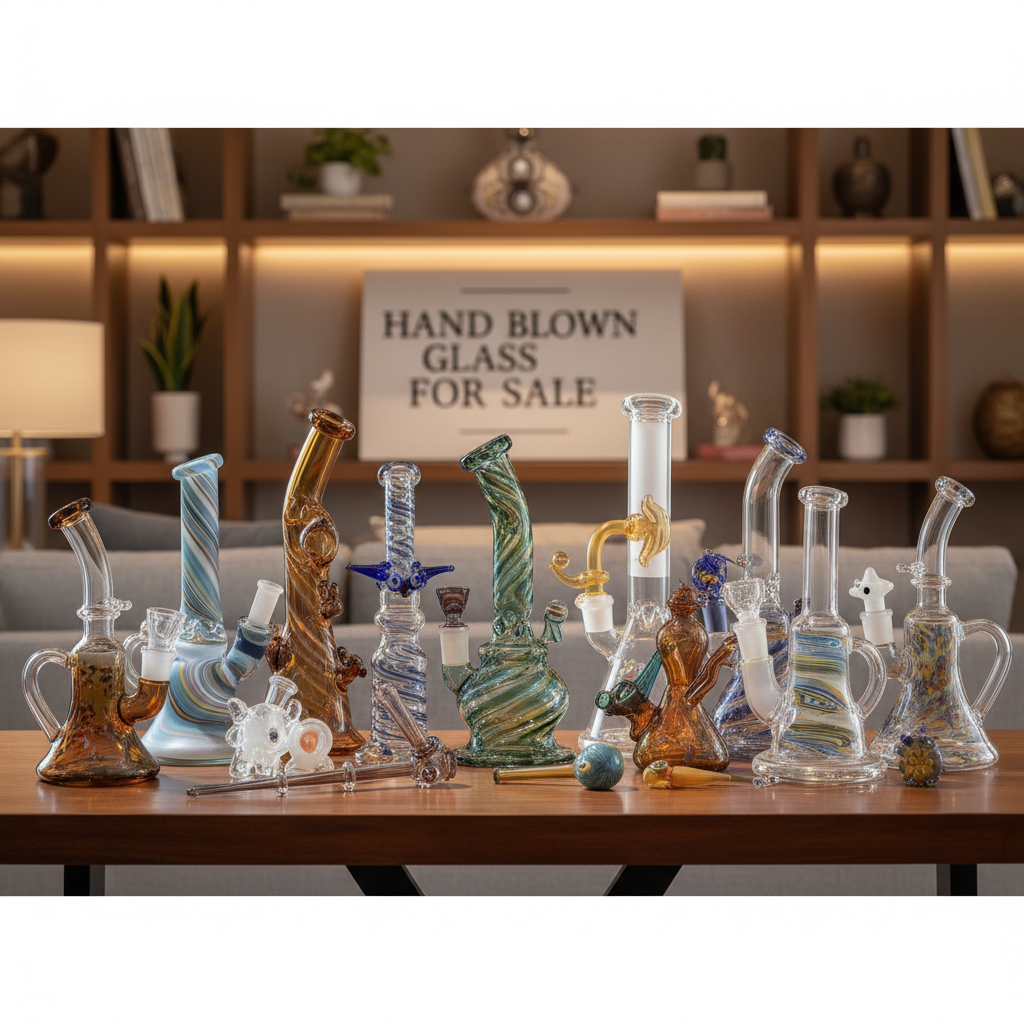
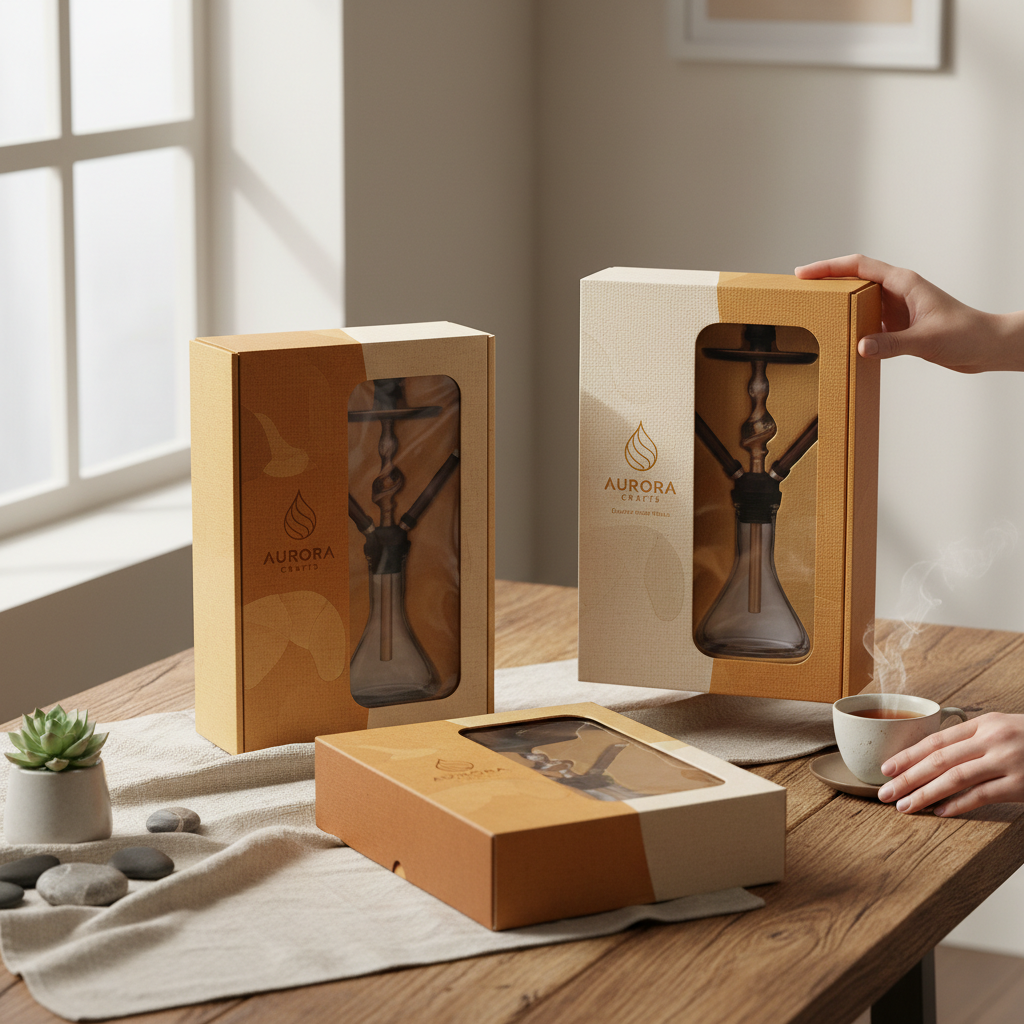
For businesses in the high-end smoking accessories market, custom glass bongs represent more than just a product; they are a fusion of artistic expression and precise glass engineering. In the specialized field of non-metallic mineral products, the ability to customize these instruments allows brands to differentiate themselves through unique aesthetics and functional superiority.
The primary challenge for B2B buyers is finding a manufacturing partner who can balance structural durability with intricate design. Many off-the-shelf options lack the specific filtration efficiency or ergonomic considerations required for a premium user experience, leading to a demand for precision-crafted, bespoke glassware.
This analysis provides a comprehensive framework for evaluating custom glass bongs, focusing on material science, filtration design, and the technical standards necessary to ensure long-term reliability and market appeal.

The Role of Borosilicate Glass in Customization

The foundation of any high-quality custom glass bong is the material. Borosilicate glass is the industry standard due to its low coefficient of thermal expansion, which makes it highly resistant to thermal shock. This is critical for products that undergo rapid temperature changes, ensuring that the glass does not crack under stress.
From a manufacturing perspective, using borosilicate allows for more complex customization. Its stability during high-temperature processing enables technicians using automatic glass lathes to create precise joints and intricate shapes without compromising the structural integrity of the piece.
Engineering Smooth Smoke Pathways
A critical factor in the value of custom glass bongs is the internal architecture. A smooth smoke pathway is not merely an aesthetic choice but a functional requirement. When the interior walls are perfectly smooth and the transitions are seamless, airflow is optimized, reducing turbulence and providing a more consistent draw.
Customization allows for the integration of specialized percolation systems. By adjusting the number and placement of slits or holes in the percolator, manufacturers can control the bubble size and frequency, which directly affects how the smoke is cooled and filtered before it reaches the user.
Ergonomics and User-Centric Design
True customization extends beyond the visual to the tactile. Ergonomic designs, such as the inclusion of side handles or top-mounted smoking pipes, significantly improve the ease of use. These features prevent accidental drops and ensure that the instrument remains stable during operation.
For B2B clients, adding these ergonomic details increases the perceived value of the product. A piece that is easy to hold and intuitively designed is more likely to be adopted by high-end consumers who prioritize both form and function in their glass instruments.
Relative Performance Impact of Filtration Systems
The effectiveness of custom glass bongs often depends on the filtration system's ability to refine smoke emissions. Different filtration configurations—ranging from simple downstems to complex multi-stage percolators—impact the "gentleness" of the smoke and the effort required to inhale.
The chart above illustrates a conceptual relative score of different filtration levels. While higher complexity usually leads to gentler smoke, it may also increase the effort needed for airflow (drag). The goal of professional customization is to find the optimal balance between these two metrics.
Evaluating Manufacturing Precision
Precision is the dividing line between luxury-grade glassware and mass-market products. In the production of custom glass bongs, this precision is manifested in the uniformity of wall thickness and the exactness of the joint fittings. Inconsistent wall thickness can create weak points that are prone to breakage.
Utilizing state-of-the-art automatic glass lathe equipment allows for a level of consistency that manual blowing cannot always achieve. This ensures that every piece in a large order meets the exact specifications of the client, reducing the rate of defects and increasing overall product reliability.
Maintenance and Durability Standards
Durability is a key selling point for B2B buyers. Borosilicate glass is inherently shock-absorbing compared to soda-lime glass, but the design must also support easy maintenance. Complex internal chambers can accumulate residue, making daily cleaning a challenge for the end-user.
Custom designs that prioritize "cleanability"—such as wider openings and accessible percolators—extend the lifespan of the product. When a product is easy to maintain, it remains functional for longer, enhancing the brand's reputation for quality and longevity.
Comparing Customization Approaches
Depending on the market positioning, buyers may choose between different levels of customization. Some require only brand-specific colors and logos, while others demand entirely new functional architectures to solve specific user problems.
| Approach | Customization Depth | Primary Value | Complexity |
|---|---|---|---|
| Standard Custom | Color & Logo | Brand Identity | Low |
| Functional Custom | Filtration Tuning | User Experience | Medium |
| Architectural Custom | Full Shape Redesign | Market Innovation | High |
| Ergonomic Custom | Handles & Grip | Usability | Medium |
| Hybrid Custom | Form + Function | Premium Positioning | High |
| Material Custom | Specialized Glass | Extreme Durability | Medium |
Selecting the right approach depends on the target audience. For instance, high-end boutiques typically prefer Hybrid Customization to offer a product that is both a piece of art and a high-performance instrument.
Frequently Asked Questions
Borosilicate glass has a very low coefficient of thermal expansion, making it resistant to cracking under extreme temperature changes and more durable against physical shocks than standard glass.
A built-in filtration system breaks down smoke into smaller bubbles, cooling it more effectively and removing heavier particulates for a gentler, smoother inhalation.
Ergonomic handles provide a secure grip and better stability, reducing the risk of drops and making the instrument more comfortable to hold during extended use.
Yes, by adjusting the percolator design and the diameter of the smoke pathway, manufacturers can tune the airflow to be either more restricted (for higher filtration) or more open (for easier draws).
The use of automatic glass lathe equipment combined with skilled technicians ensures that specifications are maintained across thousands of units with minimal variance.
Easy maintenance is achieved through open-access designs and the avoidance of overly narrow bottlenecks, allowing cleaning tools and solutions to reach all internal surfaces.
Conclusion
Custom glass bongs are the result of a precise balance between material science, ergonomic engineering, and artistic vision. By prioritizing borosilicate glass, optimizing smoke pathways, and integrating user-centric features, manufacturers can create products that stand out in a competitive global market.
For procurement professionals and brand owners seeking high-precision glassware, reviewing the technical capabilities and customization options at www.dsglasspipe.com can help in developing products that meet the highest standards of quality and performance.