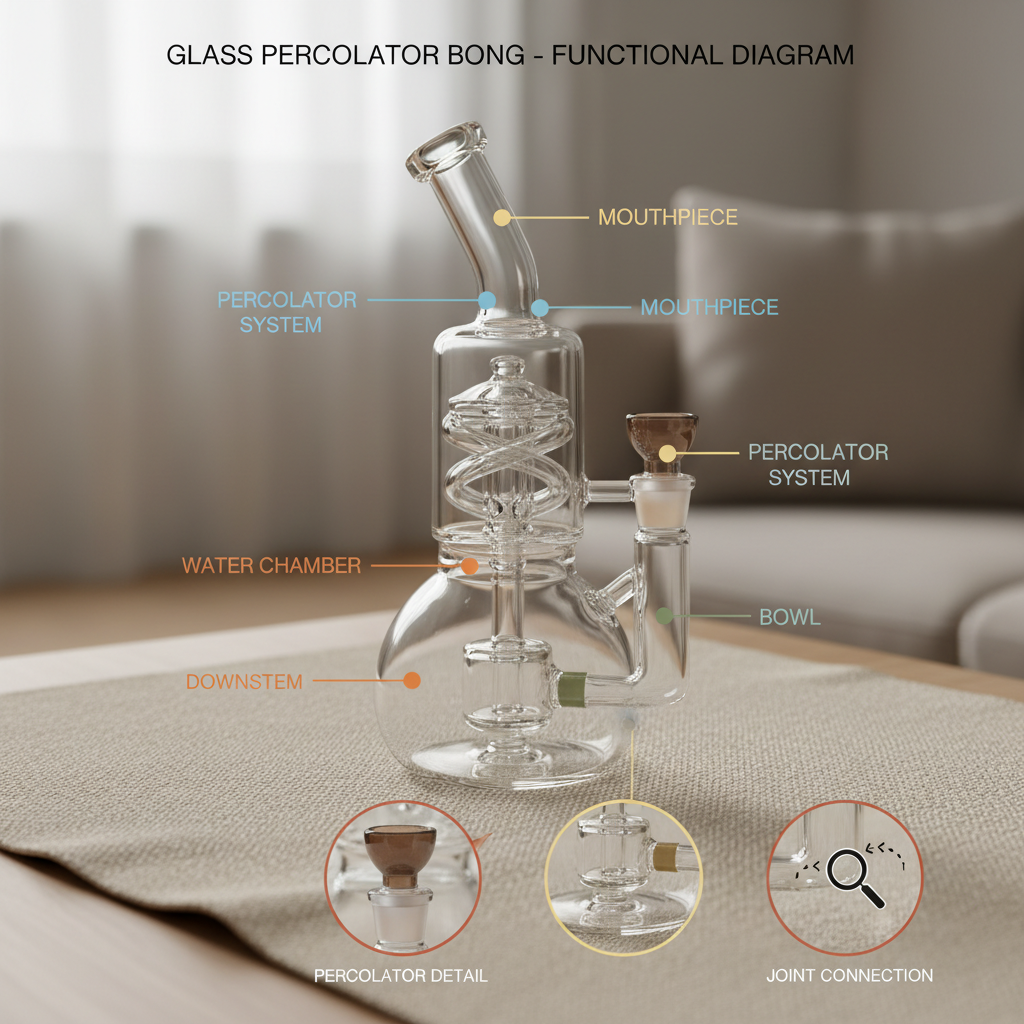
Dab rigs wholesale refers to the bulk procurement of specialized glass apparatuses designed for the vaporization of concentrates. For B2B buyers, such as cannabis dispensaries and luxury glassware retailers, sourcing these products at scale requires a balance between artistic craftsmanship and industrial-grade durability, typically utilizing high-borosilicate glass to ensure thermal stability.
The primary challenge in wholesale procurement is avoiding the trade-off between volume and quality. Many bulk suppliers sacrifice wall thickness or joint precision to lower costs, leading to higher breakage rates during shipping and decreased customer satisfaction. Professional buyers need a supply chain that integrates automatic glass lathe precision with expert hand-finishing.
This guide provides a comprehensive analysis of the wholesale landscape for dab rigs, focusing on material specifications, procurement criteria, and the technical advantages of choosing a manufacturer with advanced glass-processing capabilities to optimize inventory ROI and product longevity.

1Understanding Borosilicate Standards in Wholesale

When dealing with dab rigs wholesale, the material composition is the single most critical factor for safety and durability. Most professional-grade rigs are constructed from borosilicate glass, which possesses a very low coefficient of thermal expansion. This allows the glass to withstand the extreme temperature shifts encountered when a heated nail is applied to the rig without cracking.
The precision of the glass wall thickness is another technical detail that separates industrial-grade production from amateur work. Uniform wall thickness ensures that heat is distributed evenly, reducing the likelihood of localized stress points that lead to spontaneous failure.
Manufacturers utilizing automatic glass lathe equipment can ensure that every unit in a wholesale batch maintains identical specifications, which is essential for businesses that need to provide consistent product experiences to their end-users.
2Key Design Features for B2B Marketability
For B2B buyers, marketability depends on the intersection of functionality and aesthetics. Features such as "recycler" designs—which recirculate water to cool vapor—are currently high-demand items in the wholesale market. These designs not only provide a smoother user experience but also command a higher retail price point.
Customization capabilities, such as integrated colors or unique artistic shapes, allow wholesalers to differentiate their brand from generic competitors. High-temperature glass processing allows for vibrant, embedded colors that do not fade or peel over time.
Additionally, the stability of the base is a frequently overlooked design element. A wider, weighted base reduces the risk of accidental tipping in a retail or home environment, significantly lowering the product return rate for the wholesaler.
3Operational Use Cases and Application Scenarios
Dab rigs are utilized in various settings, from medical administration of concentrates to high-end recreational lounges. In a commercial dispensary setting, providing a variety of rig sizes—from compact "mini rigs" for portability to large "beakers" for maximum filtration—allows the business to capture multiple customer segments.
The operational workflow for a user involves heating a quartz nail and introducing the concentrate. The rig's role is to filter and cool this vapor. Therefore, rigs with multiple percolation chambers are preferred for those seeking a "cooler" hit, while simpler designs are favored by purists who prefer flavor intensity.
Wholesalers should also consider the compatibility of their rigs with different heating methods, such as electronic nails (e-nails) or traditional torches, as this determines the target demographic for the product line.
4Technical Performance Analysis of Glassware
Technical performance in glass vaporization is measured by thermal stability, vapor flow efficiency, and chemical inertness. Borosilicate glass is chemically neutral, meaning it does not leach impurities into the vapor, preserving the terpene profile of the concentrate.
When analyzing wholesale batches, the "failure rate" under thermal stress is a key metric. Professional manufacturing processes, including proper annealing in a lehr oven, remove internal stresses from the glass, ensuring the rig doesn't crack during its first use.
dab rigs wholesale Performance Metrics
The data indicates that wholesale products sourced from high-tech glass enterprises exhibit significantly higher durability and precision compared to generic industry averages, primarily due to the use of automated lathe technology and strict quality control protocols.
5Procurement Strategies for High-Volume Buyers
Effective procurement of dab rigs wholesale requires a rigorous vendor evaluation process. Buyers should prioritize manufacturers who can provide certification of material purity and evidence of an established export history to regions with strict quality standards, such as North America and Europe.
Implementing a phased ordering system—starting with a sample batch followed by incremental volume increases—helps in verifying the consistency of the manufacturer's craftsmanship before committing to large-scale capital expenditure.
Furthermore, negotiating "breakage allowances" in the contract is a standard industry practice. A reputable supplier will offer a certain percentage of replacements for items damaged during international transit, reflecting their confidence in their packaging and product.
6Innovation Trends in Glass Vaporization Tech
The industry is moving toward more complex fluid dynamics. "Recycler" technology, which uses a unique chamber design to push smoke back down through the water, is becoming a staple in premium wholesale catalogs. This reduces the "drag" and allows for larger hits without overheating the vapor.
Another trend is the integration of mixed materials, such as incorporating high-grade silicone sleeves or specialized quartz attachments, to increase the overall durability and versatility of the rig system.
As the market matures, we are seeing a shift toward "medical-grade" aesthetics—cleaner lines, transparent finishes, and a focus on hygiene and ease of cleaning, which appeals to a broader, more professional demographic.
7Comparative Selection: Standard vs. Premium Rigs
Choosing between standard and premium wholesale options depends on the target customer's price sensitivity. Standard rigs focus on essential function and cost-efficiency, while premium rigs focus on artistic value and advanced filtration.
The following comparison highlights the technical and business trade-offs between different wholesale tiers, helping buyers allocate their budget based on expected retail margins.
| Feature | Budget Tier | Professional Tier | Luxury/Artisan Tier |
|---|---|---|---|
| Glass Material | Standard Borosilicate | High-Grade Borosilicate | Ultra-Clear Borosilicate |
| Wall Thickness | Variable/Thin | Consistent/Medium | Heavy-Duty/Uniform |
| Design Complexity | Basic Beaker/Straight | Multi-Perc/Recycler | Custom Artistic/Complex |
| Joint Precision | Standard Fit | Precision Ground | Tight-Toleranced |
| Typical Margin | Low per unit / High Vol | Moderate / Steady Vol | High per unit / Low Vol |
| Target User | Beginners/Casuals | Experienced Users | Collectors/Connoisseurs |
For most wholesale businesses, a diversified portfolio containing a mix of all three tiers is the most sustainable strategy, ensuring a point of entry for new users while maintaining a high-ticket offering for luxury clients.
Frequently Asked Questions
Conclusion
Success in the dab rigs wholesale market depends on a strategic transition from viewing these products as simple commodities to seeing them as precision instruments. By focusing on borosilicate purity, thermal stability, and design innovation—such as recycler technology—B2B buyers can ensure their inventory meets the demands of a sophisticated consumer base while minimizing operational risks.
Selecting a manufacturer with advanced automatic lathe capabilities and a commitment to international quality standards is the most reliable way to scale a glassware business. For those evaluating professional glass solutions, detailed product specifications and procurement options can be reviewed at www.dsglasspipe.com.